
Unlock Your Inner Songwriter: A Practical Guide to Getting Started
Guest Blog by Poppy Baker
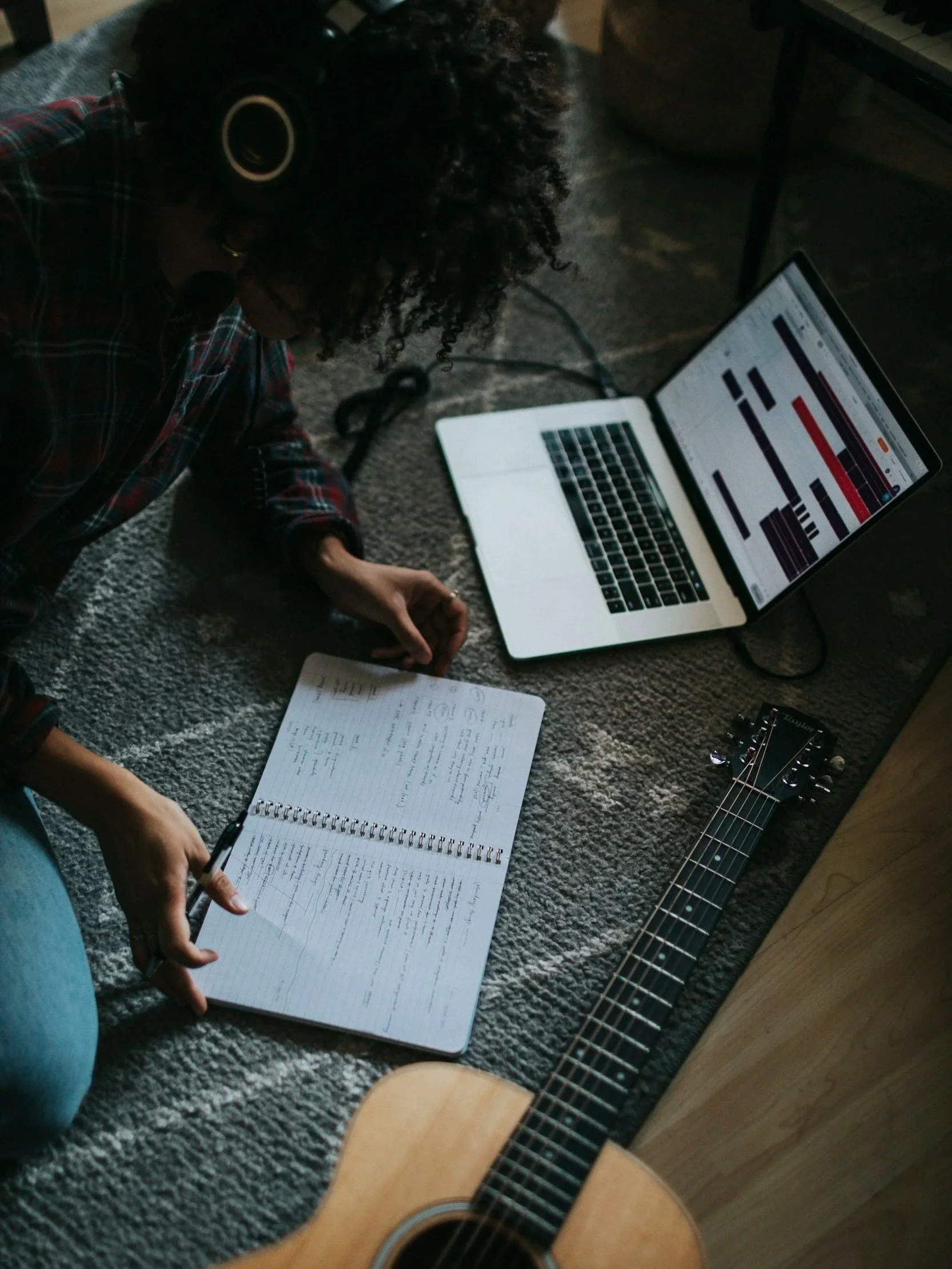
Are you eager to write catchy tunes but unsure where to begin? Songwriting can feel daunting, but it's a rewarding and enjoyable process. Whether you're a complete beginner or have some experience, here's a solid guide to help you start your songwriting journey!

Capture Those Ideas!
First and foremost, always have a notebook, notes app, or voice recording handy to jot down your ideas. Whether it’s a memorable phrase, a melody that pops into your head, or an intriguing thought, write it down - no idea is too small. Inspiration can strike unexpectedly, and having a collection of ideas will be invaluable when you hit a ‘writer's block’.
Experiment with Music
Don’t hesitate to explore melodies, lyrics, and rhythms. Use an instrument, music software, or just your voice - whatever works for you. Be sure to record everything you create! Humming a tune on your way to work? Have an idea rattling around in your head? Even if it isn’t perfect, record it! Documenting your sessions can lead to valuable discoveries that might otherwise be forgotten.
Start with what you know! Think about your favourite musical genre or instrument - what resonates with you the most? Focusing on what you enjoy will create a solid foundation for your creativity. Embrace what feels right, and let your unique style emerge. Remember, songwriting should be exciting, not overwhelming. Start small - write a few lines, hum a tune, or try some chords. Growth takes time, so be patient and enjoy the journey.
Understanding Musical Structures
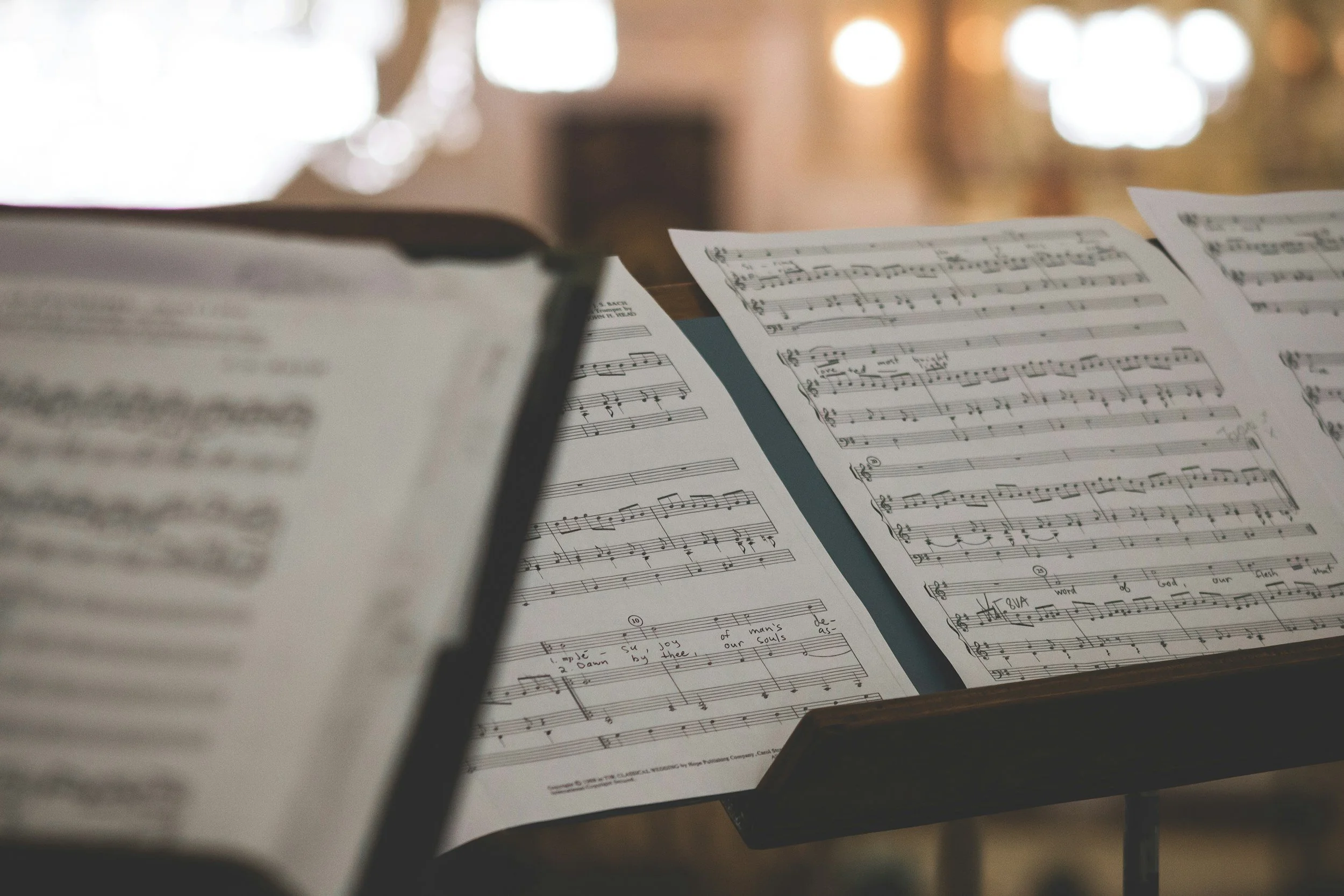
Gain a basic understanding of common musical structures, but don’t feel pressured by technicalities. Many pop songs follow straightforward formats (like verse-chorus-verse-chorus-bridge-chorus), but feel free to explore other arrangements. Sometimes, simplicity can evoke powerful emotions; don’t hesitate to use just a few chords to express yourself.
As you dive into songwriting, think about a few key questions:
What message do I want to share?
What emotions am I experiencing?
Am I telling a story or setting a mood?
Songwriting is an exciting avenue for self-expression, and there’s no single correct way to do it. Embrace your ideas, let your feelings guide you, and enjoy the creative process. The most important thing is to start writing—your unique voice is waiting to be discovered.
Avoid Comparisons
It's easy to compare yourself to established artists and feel discouraged. Remember that every songwriter's journey is unique. Instead of measuring your progress against others, concentrate on honing your own skills. Celebrate your growth and draw inspiration from those you admire without letting their success overshadow your own path.
Tips to Overcome Writer’s Block
If you find yourself stuck, try these strategies to spark your creativity:
Turn a poem into a song.
Write a response to another song.
Find inspiration in literature, films, or daily situations.
Learn the chords of a song you love and experiment by layering your melody over it.
How Do You Begin Songwriting?
If you’re eager to start songwriting, the 12-bar blues is a great format to try, along with simple pop songs. You don’t need to spend money to write a song; numerous free apps like GarageBand, Demo, and BandLab are available. While recording in a studio may incur costs, you can create songs at home without any investment.
If you’re just beginning, a good way to build confidence is by learning a song you already love. From there, choose a theme or topic for your own song and come up with a chord progression.
Songwriting is both a skill and a talent. While some people naturally excel at creating music, honing your songwriting skills is essential for success. Hard work, perseverance, and a positive mindset often take you further than talent alone. If you prefer a structured approach, consider writing lyrics first, then creating the melody, and adding the chords, or find an order that feels best for you.

Collaboration Can Boost Creativity
Many artists use different methods to craft their songs. For example, Jim Morrison would often write songs a cappella and share them with his bandmates, leading to collaborative efforts that shaped the final piece. Collaborating can make the songwriting process more enjoyable!
Typical Song Length
Typically, a pop song is around four minutes long, often ranging between two-and-a-half and three-and-a-half minutes. However, the length of songs in other genres can vary widely. There are no strict rules about how long your song should be - create what feels right for you.
Songwriting is a personal journey, and embracing your unique voice is essential. Don't shy away from expressing your thoughts and feelings in your music; this authenticity often resonates most with listeners. Songwriting may seem challenging at first, but with patience and practice, it can become an empowering form of self-expression. So grab that notebook, find an instrument, and let your creativity flow!
Want to see more from Poppy? Read her Artist Q&A here
Lister to her work:
https://open.spotify.com/artist/6UOpr0FQ8NKVLxtBgwLyaR?si=fc2f8c40bd9b4b2a
